Nutrition for Pregnant and Lactating Dogs: A Complete Guide
Diet for pregnant and nursing dogs: what is the best approach?
What nutrients are essential for the well-being of your dog and her puppies?
As with any other animal, pregnancy in dogs pregnancy is a time that is as beautiful as it is particularly delicate: clinical and nutritional needs change, so the utmost care and attention are required.
One of the main aspects is thediet, which plays a crucial role for both your dog’s health and the health of the fetuses.
In this article, we’ve compiled all the key information on how to best support your furry friend during this important time in her life, including recommendations for the best products to help with pregnancy and lactation.
Feeding a pregnant dog: what changes?
During pregnancy, a female dog has to cope with many changes, such as hormonal fluctuations and weight fluctuations. Remember: all of this affects not only the dog’s physical condition but also her psychological state.
The perfect ally is nutrition.
With a balanced diet tailored to the specific nutritional needs of your dog during pregnancy, your four-legged friend will be more likely to give birth to healthy, strong puppies.
On the other hand, an unbalanced diet will tend to negatively affect the dog’s health and lead to the development of pathological conditions in the fetuses.
Nutritional needs of the pregnant dog
How much should a pregnant dog eat?
In dogs, gestation lasts about 60 days.
Around the 30th day , signs of pregnancy will begin to show, such as enlarged breasts and a more swollen belly (if you gently feel the area, you may even be able to feel the puppies).
In this initial phase, it’s not necessary to make major changes to her diet. However, always make sure your dog is eating so that she stays healthy and her puppies grow up healthy.
From 5th week of gestation , it is essential to ensure an increase in the daily amount of food. To avoid overburdening the dog’s digestion, give smaller but more frequent meals throughout the day. In addition, it is essential to monitor of your dog. In fact, during this phase, conditions such as undernourishment, overfeeding, or diabetes may occur. For further guidance, we always recommend consulting your veterinarian.
In general, a female dog’s weight gain should not exceed her starting weight of:
- 25% in large dogs;
- 30% in small dogs.
At this stage of her life, it is important to provide her with the right amount of carbohydrates and protein, which support the formation and growth of the puppies’ tissues in the womb.
During the 6th week of pregnancy we recommend that you increase your food intake by about 20%, always remembering to divide it up properly throughout the day. By the week 7, the dog needs energy, so you can increase her food portion by 50%.
What should you feed a pregnant dog? Essential nutrients
Let’s take a look at the essential nutrients a female dog needs during pregnancy and lactation.
Proteins
Protein is a particularly important nutrient during the final stages of pregnancy. This is because it supports not only fetal growth but also breast development and milk production.
Have you ever tried our Equilibrium – Puppy All Breeds (Fish)? Perfect for both pregnancy and lactation.
Vitamins
For a balanced diet during pregnancy, you should always make sure to include the following essential vitamins:
- vitamin D: important for calcium absorption;
- Vitamin B6: to support proper immune system development and enhance the effectiveness of vaccinations.
In addition, it is important to be careful to avoid excessive vitamin A intake (which can lead to birth defects) and vitamin D (which can cause tissue calcification in puppies):
Fats and fatty acids
When it comes to fatty acids, the best choices are Omega-3 and Omega-6: essential for maintaining your dog’s skin health and for proper brain development in puppies.
Minerals
Minerals are essential during pregnancy and while breastfeeding.
The iron promotes the production of red blood cells and prevents anemia.
Soccer soccer and phosphorus are extremely important because they promote the healthy development of puppies’ bones and teeth. It’s also important to watch out for a deficiency in zinc, which can cause fetal resorption.
Attention: Excesses of minerals can be even more dangerous than deficiencies! Supplements should never be added to a product already formulated for pregnancy or lactation. In particular, excessive calcium intake during pregnancy can increase the risk of eclampsia during lactation.
Nutrition for Pregnant and Lactating Dogs: Alleva Products
Since 1901, our love for animals has brought us together. That is why we are attentive to the needs of dogs and cats at every stage of their lives.
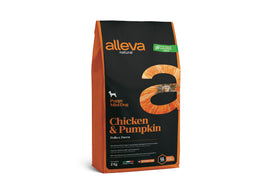
We have designed theAlleva provide pregnant and nursing dogs with everything they need for their well-being and that of their puppies.
The post " Dog Nutrition During Pregnancy and Lactation: A Complete Guide " first appeared on Dog and Cat Food | Alleva .