

Feeding Senior Cats: A Complete Guide
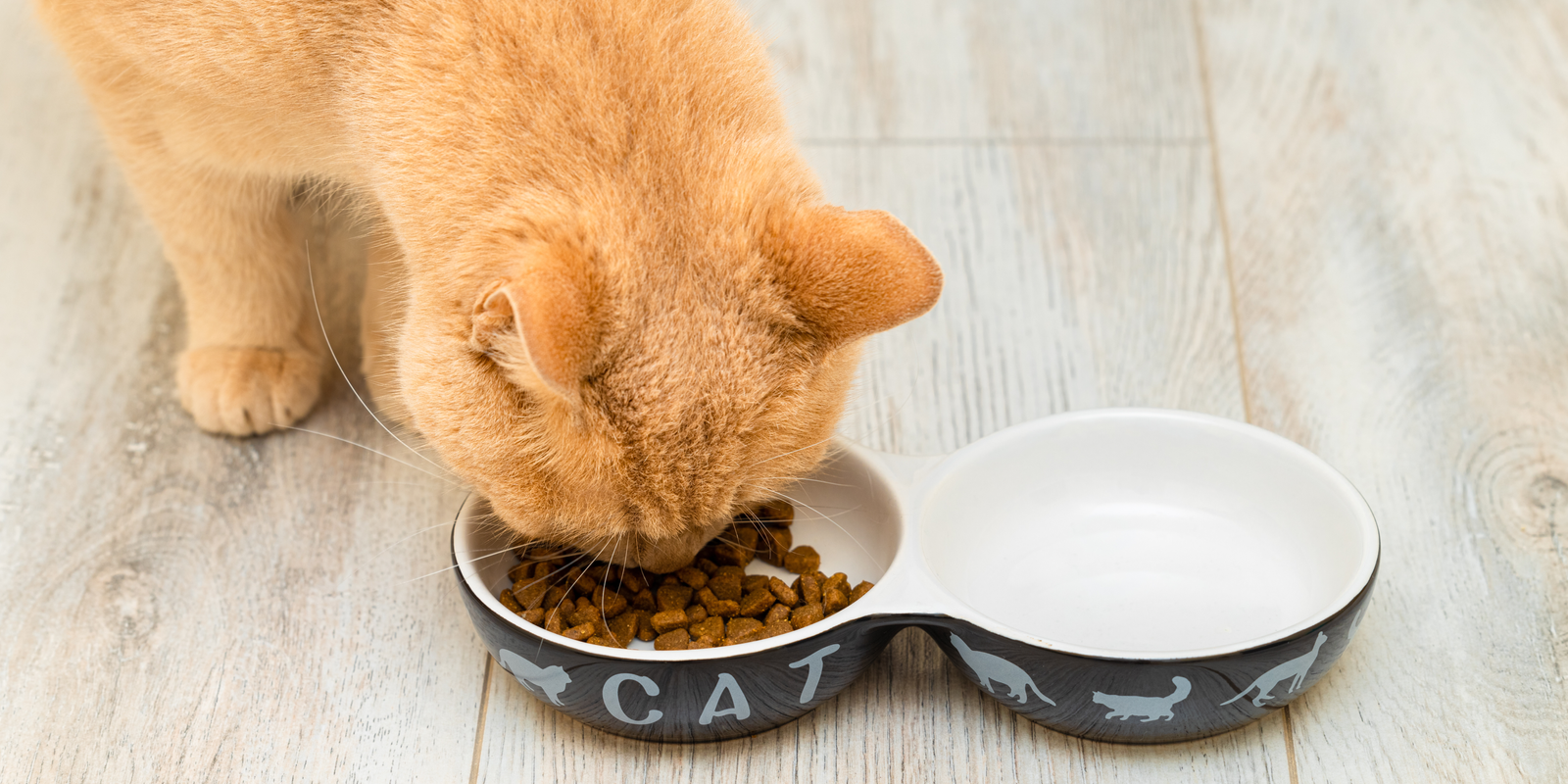
Every stage of a cat’s life deserves attention. That’s why it’s important to pay attention to your cat’s diet even as it gets older.
It is essential to be able to support him during this challenging phase of his life, taking care of both his physical activity and his diet.
In this article, you'll find plenty of tips on how to choose the best food for senior cats.
When does a cat become a senior?
Generally, cats over 7 years old are considered mature, while those that reach 10 years of age are classified as senior.
Of course, these guidelines may vary depending on the cat’s health and breed.
Nutritional needs: How do they change in an older cat?
When discussing the diet and nutritional needs of senior cats, the primary focus should be on preventing the most common age-related health issues.
In addition, you should keep in mind that their desire to exercise will likely decrease, they may lose muscle mass, and their immune system may also weaken. Not to mention the fact that new health issues could arise.
That’s why a proper diet for senior cats should include:
- A good source of high-quality protein;
- Moderate fat and calorie content;
- Contains essential fatty acids, such as omega-3 and omega-6 (to keep the coat shinier and stronger);
- Moderate phosphorus concentration;
- Vitamins, with vitamin E being particularly important.
To keep your joints healthy, you should also pay attention to glucosamine and chondroitin sulfate. Finally, antioxidants are also important, as they help protect the immune system.
How much protein should an older cat eat?
Protein plays a vital role in the health of older cats, as your four-legged friend tends to lose muscle mass more easily as they age.
That’s why protein should make up at least 30% of your cat’s diet . We recommend choosing high-quality animal-based proteins that provide your cat with all the amino acids it needs.

How much fat should an older cat consume?
Along with protein, fats are your cat’s main source of energy.
In dry food for senior cats, the fat content should be:
- 18%–20% for an older cat with no health issues and that is not underweight;
- 10%–18% for an inactive or overweight cat.
However, always remember that an older cat’s diet should never be too high in fat, as fat is a nutrient that is difficult to digest and could overload their digestive system, as well as increase fat accumulation.
What vitamins should you give an older cat?
The immune system and metabolic processes depend on various substances, including vitamins.
Whether you prefer to feed your cat dry or wet food, a diet for senior cats should provide adequate amounts of vitamins such as A, D, E, B1, B6, and B12.
How to Choose the Right Diet for Your Senior Cat
When choosing dog food, meat should be the primary ingredient. In addition, we recommend avoiding products that contain plant-based proteins, as these do not provide all the essential amino acids necessary for maintaining many bodily functions.
In general, it is therefore important to choose a food that is high in animal protein and low in calories, as well as being palatable and easily digestible.
How can you stimulate an older cat’s appetite?
What should you do if your senior cat won't eat?
The first thing to do is try to identify the causes.
It’s important to make sure that a loss of appetite isn’t due to health issues. For example, it can sometimes be a sign of problems like gingivitis or tartar buildup.
Another factor you need to consider isthe palatability of the food. This is because older cats may experience changes in their sense of smell and taste.
Finally, one tip that might help encourage him to eat is to serve the food slightly warmed (35°C), so that its aroma is released more effectively.
Follow us on our social media to stay up to date!
The post " Nutrition for Senior Cats: A Complete Guide " first appeared on Dog and Cat Food | Alleva .
Share

