


Nutrition for Senior Dogs: Key Nutrients for a Healthy Old Age
As your dog gets older, he changes too. He moves less, has a harder time digesting food, and loses muscle mass. During this delicate phase, proper nutrition can really make a difference, helping him stay active, alert, and healthy for longer.
Not everyone knows that the nutritional needs of a senior dog differ from those of an adult dog: they require high-quality protein, antioxidants, fiber, and a controlled energy intake.
But which nutrients are really important?
Every day, Alleva alongside veterinarians and breeders to develop natural, scientifically balanced foods tailored to every stage of your pet’s life.
In this article, we explain how an older dog’s diet should change and which ingredients to focus on to ensure a happy retirement.
At what age is a dog considered “senior”?
It’s not always easy to determine when a dog enters its senior years. Aging in dogs depends on size, breed, and individual health.
According to the guidelinesof the AAHA (American Animal Hospital Association), a dog is considered “senior” during the final 25% of its life expectancy. The FEDIAF (European Pet Food Industry Federation), on the other hand, classifies dogs as senior:
- large or giant-breed dogs as early as 5–8 years of age;
- those of medium or small size, around 10 years old.
But more than your chronological age, it’s the body’s signals that matter: a decline in physical activity, fatigue, digestive issues, loss of muscle tone, or changes in behavior can be the first warning signs. This is when a healthy diet can become a powerful ally.
You might also be interested in the article "Obese Dogs: The Importance of a Balanced Diet."
What happens to a dog's body as it ages?
Aging is not a disease, but a natural and progressive process that affects a dog’s entire body. Over time, the body’s ability to cope with stress decreases, energy levels drop, and susceptibility to ailments and diseases increases.
One of the most noticeable changes is the loss of muscle mass (sarcopenia), which causes the animal to become less active and more frail. In addition to this:
- decreased digestive function, particularly with regard to proteins and fats;
- cognitive and sensory decline, often accompanied by behavioral changes;
- a less efficient immune system, more susceptible to infections and chronic inflammation;
- a slow metabolism, which makes it easier to gain weight even when eating smaller portions;
- osteoarthritis and reduced physical activity.
All of these factors directly affect the nutritional needs of older dogs. That is why it is essential to take action before obvious signs of decline appear, by tailoring their diet in a targeted and personalized way.
How can you tell if your senior dog needs a change in diet?
Many dogs age “silently”—they don’t show obvious signs, but their bodies change gradually. That’s why it’s important to watch them closely.
Have you noticed that your dog is less muscular?
Who gets tired more easily?
Is their coat less shiny and their appetite up and down?
All of these are signs that his diet may no longer be appropriate for his age.
One useful thing to check (with your veterinarian’s help) is how well-developed your dog’s muscle mass is, because muscle loss is common as dogs age , and regaining it is very difficult. Muscle loss not only makes your dog weaker but can also affect its overall well-being.
At this stage, a diet tailored to your new needs can really make a difference (even before any obvious problems arise).
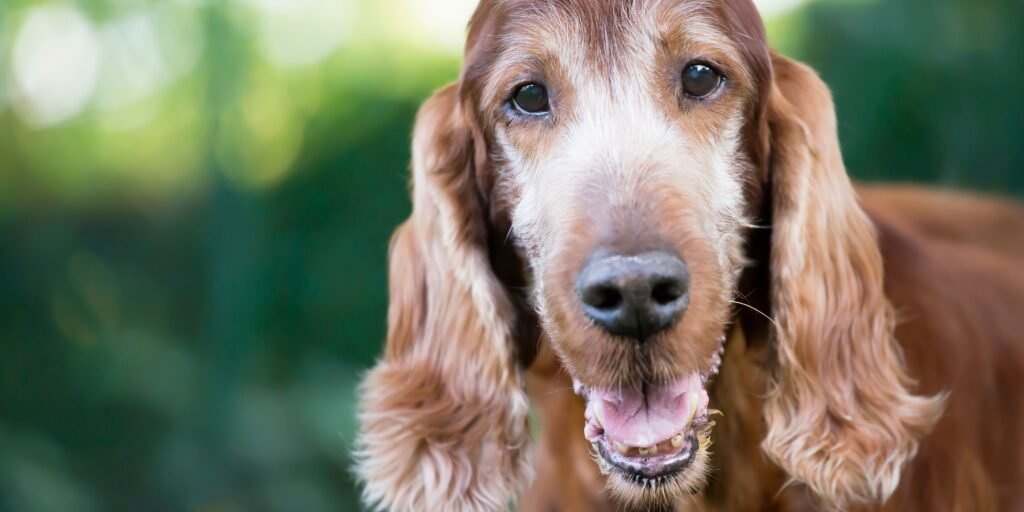
Nutrition for Senior Dogs: Essential Nutrients
When it comes to nutrition for senior dogs, the key is balance. They need a diet that meets their body’s new needs, helping them stay in shape without putting on excess weight. Here are the essential ingredients to put in their bowl.
Protein: not less, but better
Many people think that older dogs should eat less protein. In reality , they need a good amount of protein—but it should be high-quality, easy to digest, and have a high biological value. This helps preserve muscle mass and energy.
What to look for on the label: opt for fresh or high-quality dehydrated meat. The protein content should not only be high, but above all, it should be easily digestible and beneficial.
Fats: reduced, but still functional
Older dogs are less active, so they need fewer calories—and consequently, less fat. But fat shouldn’t be eliminated entirely! “Good” fats like omega-3s (EPA and DHA) support joint, heart, and brain health.
For example, Alleva selects natural sources of omega-3 to promote healthy aging and prevent chronic inflammation.
Fiber: Your Digestive System's Best Friend
As we age, our digestive system also slows down. Fiber aids digestion and supports the gut microbiota—that is, the collection of “good” bacteria that live in the gut.
A good amount of fiber also helps keep your dog feeling full and maintain a healthy weight, which is often at risk in older dogs.
Antioxidants: a shield against the effects of time
Older dogs produce more free radicals, molecules that contribute to cellular aging. Nutrients such as vitamins E and C and omega-3 fatty acids act as natural antioxidants, helping to slow down this process.
Minerals: yes, but watch your intake
In the absence of medical conditions, it is not necessary to drastically reduce phosphorus or sodium, as is often believed. Rather, it is important that these nutrients be present in a balanced and natural form.
What is the best diet for an older dog?
🐶 Discover the entire Alleva Equilibrium line!
Alleva Tips Alleva the Health of Senior Dogs
Every dog has the right to grow old with vitality and peace of mind. And it is precisely with this goal in mind that Alleva natural, balanced foods, formulated in collaboration with veterinarians and breeders.
Alleva philosophy Alleva on a simple principle: feeding means caring. And this care translates into:
- natural and functional ingredients;
- high digestibility, designed even for sensitive stomachs;
-
formulas rich in antioxidants, omega-3 fatty acids, chondroprotective agents, and fiber, which are essential for senior dogs.
Choosing Alleva taking a concrete step toward your dog’s long-term well-being, with the assurance of a product developed through scientific research, passion, and respect for every stage of life.
Follow us on social media for more pet-related tips!

