Feeding Puppies: Everything You Need to Know

To ensure your puppy grows up healthy, it’s important to follow certain guidelines regarding meal management. In addition, choosing healthy, balanced foods lays the foundation for harmonious mental and physical development.
At Diusa Pet, we know how important your dog’s diet is when he’s still a puppy. That’s why we’ve created this short guide to feeding puppies, so you can always give your new friend the very best.
All you have to do is keep reading!
Stages of a puppy's growth
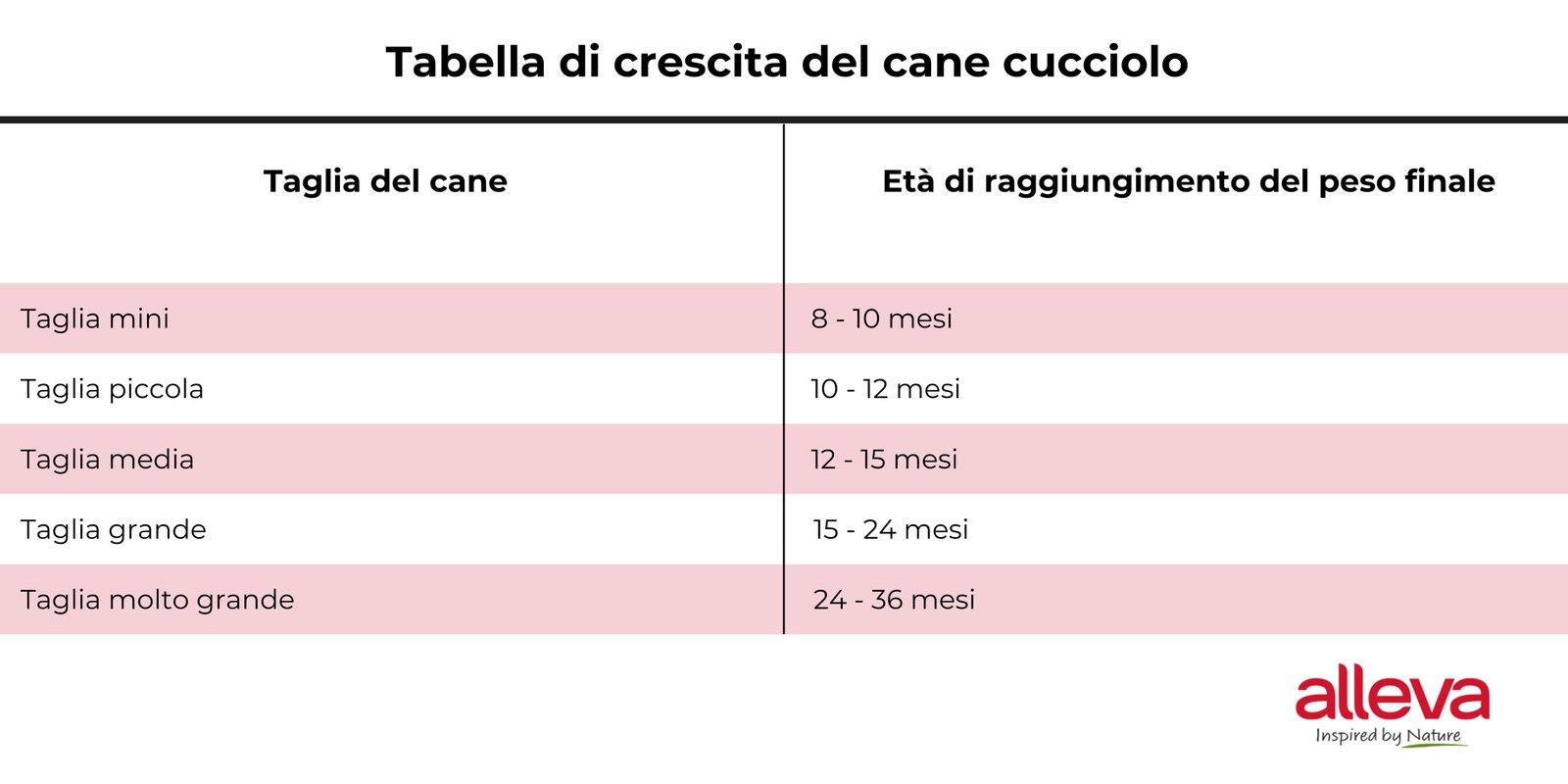
In the early stages of life, puppies grow very quickly!
In general, the smaller the dog, the sooner it will reach its adult weight.
Here is a puppy growth chart that might help you: .
Feeding Puppies: Why It's So Important
Paying attention to your puppy’s diet is an act of love. This is how you begin to lay the foundation for a long and healthy life.
This is because it is during the early stages of life that a puppy’s body develops, and to grow up healthy and strong, it needs a healthy, nutritious diet that is balanced and contains the right amounts of fats and proteins. Fats provide your puppy with the energy it needs to move around, but they are also essential for proper bodily function and growth, while proteins are necessary for the body’s development.
Puppies require different amounts of minerals than adults to support bone health. These minerals are specifically included in puppy formulas.
Our recommendation is to always choose kibble that is appropriate for your dog’s life stage.
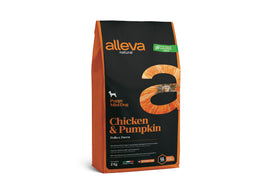
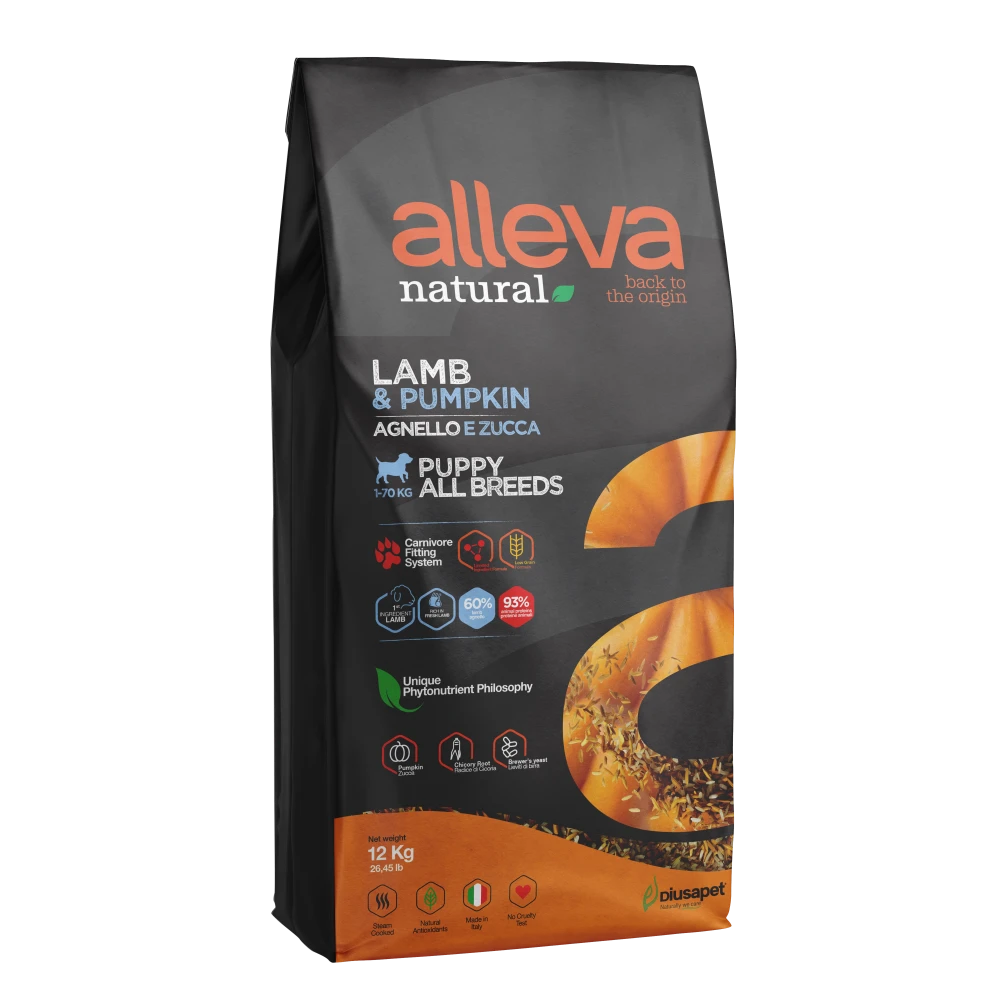
Have you tried our NATURAL DOG KIBBLE NATURAL PUPPY MINI (CHICKEN & PUMPKIN) yet? It’s a low-grain product made with low-glycemic-index brown rice and pumpkin.
What should you not feed a puppy?
No, a puppy can't eat just anything!
There are certain foods that are not suitable for a dog’s health. One of these is cow’s milk. If necessary, during the weaning period, you should feed your puppy with powdered milk specifically formulated for its species and age. Other products could negatively affect intestinal function (causing diarrhea or inflammation).
Below is a list of some of the main foods you should not feed your puppy:
- grapes and raisins
- onions
- stone fruit
- chocolate
- raw meat and fish
- cured meats
- garlic
- avocado
- candy
- nuts
Meal Planning: How Often Should a Puppy Eat?
This is probably one of the most important questions. The answer is that it depends on your age…!
In general:
- up to 10 weeks, feed 4 or 5 times a day;
- From 10 weeks to 5 months, you can feed your puppy three times a day;
- Starting at 6 months, you can divide the meal into two portions.
Note: When buying puppy kibble, always check the nutritional information to calculate the correct amount. Do not feed more than the recommended amount!
You might also be interested in the article "How to Read Dog Food Labels: A Complete Guide."

Hydration is also important
Did you know that puppies' bodies contain a higher percentage of water than those of adult dogs?
This means the risk of dehydration is higher. That’s why it’s essential to make sure your dog always has fresh water available. A good rule of thumb is to provide your dog with about 70 ml of water per day for every kilogram of body weight. By following this simple rule, you can easily calculate how much water your dog needs.
However, keep in mind that if your dog is particularly active or if it’s very hot, he may need to drink more water. It’s therefore important to always leave fresh water available.
Feeding Puppies and Exercise
When it comes to feeding your puppy, it’s important to consider not only what they eat, but also when they eat, especially in relation to physical activity. Avoiding feeding them immediately before or after exercise is essential for their digestive and overall health.
Before starting your workout, make sure your puppy hasn’t eaten for at least an hour. This period of fasting before exercise is crucial to avoid the risk of gastrointestinal issues (such as cramps, nausea, or vomiting) during exercise.
In addition, once the activity is over, it’s best to wait at least an hour before feeding your puppy its next meal. This rest period after exercise allows your puppy’s body to relax and focus on digestion without being overwhelmed by intense physical activity.
[BONUS] 4 Tips + 1 on Feeding Puppies
- Watch the portion sizes: don’t feed your puppy more than the recommended amount. Obesity can hinder the healthy growth of their bones and joints during this crucial stage of development;
- Always have water available: make sure your puppy always has a bowl of fresh water that’s accessible at all times;
- Choose food specifically formulated for puppies to ensure a complete nutritional intake;
- Create a calm environment: avoid stress during mealtimes and make sure your puppy can eat without being disturbed. After eating, let him rest for a short while before letting him go outside, to help with digestion;
- Have fun and form a special bond with your new friend for life!
Follow us on social media to stay up to date on the latest in the pet world!
The post " Feeding Puppies: Everything You Need to Know " first appeared on Dog and Cat Food | Alleva .