Home
›
Alleva Blog
›
Mixed Dog Diet (Commercial + Homemade): Benefits, Proportions, and Mistakes to Avoid

Mixed Dog Diet (Commercial + Homemade): Benefits, Proportions, and Mistakes to Avoid
by WebAlive Studio July 14, 2026
Adding meat, fish, or other homemade foods to dry dog food is a fairly common practice. Many pet owners do this to offer their dog more variety or to have more direct control over the ingredients in their dog’s bowl.
A dog's mixed diet stems precisely from this combination of commercial dog food and homemade meals. If properly formulated, it can be an attractive solution for both adult dogs and puppies. The challenges arise when portions are determined without considering the dog’s overall nutritional needs.
Proteins, fats, vitamins, and minerals must remain in balance regardless of the foods chosen. For this reason, balancing the diet is the most delicate aspect of a mixed-diet regimen.
In this article, we'll take a closer look at benefits, proportions and common mistakes to avoid, with a particular focus on situations where it is advisable to seek the assistance of a veterinary nutritionist.
Mixed-Diet Dog Food: What Does It Mean?
One of the most common misunderstandings concerns the very meaning of mixed feeding. Many pet owners think that simply adding some homemade food to dry kibble is enough to provide a more varied diet. In reality, the concept is broader than that.
A mixed diet combines store-bought foods with a portion of home-cooked meals that are systematically incorporated into the daily diet. Meat, fish, eggs, or other ingredients are not added to “enrich” the meal, but rather form part of a feeding plan that must remain balanced as a whole.
Let's take an example.
If a dog is fed a complete daily portion of dry food and the owner regularly adds meat without changing the rest of the diet, the nutritional content changes. Calorie intake increases, some nutrients may become overrepresented, and others may become relatively less abundant.
That's why the nutritional value of a mixed diet doesn't depend on the number of ingredients in the bowl, but what matters above all how these foods are combined and balanced with one another.
Why balance is the most delicate aspect of a mixed diet
People who decide to include homemade food in their dog’s diet almost always start with good intentions: to add fresh ingredients and have more control over what ends up in the bowl.
The point is that you don't evaluate a diet ingredient by ingredient. It’s the whole picture that counts.
This is exactly where many mistakes arise. The diet may even seem varied and high-quality (perhaps the dog is given fresh meat and fish in addition to dry food), but the proportions aren’t always appropriate. Over the long term, this can lead to imbalances that are difficult to detect with the naked eye.
In the puppies theattention must be even greater. Growth is a phase in which nutritional needs and intake follow precise parameters. Small variations that may have a limited impact in an adult dog warrant closer evaluation during the first months of life.
For this reason, when homemade food becomes an integral part of the diet, consulting with a veterinary nutritionist helps create a diet tailored to the dog’s specific needs.
Mixed-Diet for Dogs: What Benefits Can It Offer?
Interest in a mixed diet often stems from the need to strike a balance between convenience and dietary customization. On the one hand, there are complete foods formulated to meet specific nutritional needs; on the other, there is the option to include fresh ingredients selected directly by the pet owner.
✅ One of the most appreciated aspects is the variety. Some dogs show greater interest in their meals when their diet includes different textures, flavors, and ingredients compared to commercial dog food alone.
✅ There is also an issue related to day-to-day daily. For some families, a mixed diet is a way to involve their dog more in mealtimes without sacrificing the convenience and nutritional assurance offered by a complete food.
✅ In certain contexts, the home-cooked portion can also allow for greater flexibility in ingredient selection. This aspect is often discussed with a veterinary nutritionist when the dog has special dietary needs or when the owner wishes to customize the diet while maintaining a commercial base.
However, the benefits of a mixed diet depend on its proper formulation. The very advantages that lead many pet owners to choose this approach can, in fact, become problems if the proportions are not properly defined.
See also the article “Raw Ash in Dog and Cat Food: What It Is and How to Interpret It.”
The Most Common Mistakes in a Dog's Mixed Diet
Many problems stem from a fairly widespread belief: if a food is healthy, adding it to your diet can only be good for you. In reality, when it comes to nutrition, it’s the big picture that matters most.
The mistakes that veterinary nutritionists most often observe are:
❌ Add homemade foods without reducing the commercial portion
❌ Vary ingredients and quantities
❌ Do not include snacks or treats when calculating the portion size
❌ Using recipes found online without professional guidance
❌ Replicate in the puppy the same feeding routine used for an adult dog
A dog that is fed a complete dry food diet every day along with an additional serving of meat, fish, or other ingredients isn't simply eating a more varied diet—it is consuming nutrients and calories that alter the balance of its diet.
Note: A mixed diet yields the best results when it is based on defined proportions and clear nutritional goals, avoiding occasional additions or impromptu changes.

Mixed Feeding for Adult Dogs and Puppies: What You Need to Know
Both an adult dog and a puppy can follow a mixed diet, but starting with the same feeding plan would be a mistake.
In the dog , , the goal is to maintain optimal physical condition over time. If the diet is well-balanced, including some homemade food generally offers greater flexibility in feeding. However, it is still necessary to ensure that the overall nutrient intake remains consistent with the individual dog’s needs.
With a puppy The reasoning changes. During growth, the body goes through a phase of rapid development, and every nutrient plays a role in fundamental processes involving bones, muscles, and tissues. For this reason, the amounts and proportions become even more important.
When to Seek the Help of a Veterinary Nutritionist
There’s a difference between occasionally adding a fresh food to the bowl and putting together a truly varied diet. When homemade food becomes a regular part of the diet, it becomes harder to tell at a glance whether the meal remains balanced. It is precisely in these cases that consulting with a veterinary nutritionist can be helpful.
This situation often applies to puppies, but also to adult dogs that follow personalized feeding plans or are regularly fed homemade meals. A varied diet can be beneficial. However, to ensure it remains so over time, it must continue to meet the dog’s nutritional needs.
Handy Chart: Benefits and Considerations of Mixed Feeding
|
Possible Benefits |
Points to Consider |
|
Greater variety in the diet |
The Need to Properly Balance the Diet |
|
Option to add fresh ingredients |
Quantity to be determined carefully |
|
Customizing Your Diet |
Risk of nutritional excesses or deficiencies |
|
Direct involvement of the owner in meal management |
Greater complexity compared to a diet consisting solely of commercial foods |
|
Adaptability to the needs of each individual dog |
The Need to Monitor Weight and Body Condition |
How to Start a Mixed-Feeding Regimen Without winging it
Many pet owners decide to introduce a homemade diet overnight by adding a few ingredients to their pets' usual meals. A gradual gradual , on the other hand, allows you to better assess the balance of the diet.
Before changing the portion size, it’s helpful to start with a few steps:
- Assess the dog's current diet;
- Define the goal of the mixed diet;
- Choose ingredients that suit your needs;
- Make sure that the diet remains balanced;
- Track your weight and physical condition over time.
When home-cooked meals become a regular part of one’s diet, a professional assessment helps create a more precise and sustainable long-term meal plan.
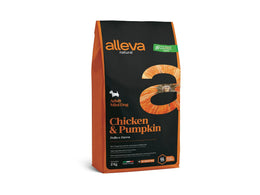
🐕 Discover Alleva dog food in our online store
Follow us on social media to stay up to date on the latest news!