


How to Clip a Dog's Ears: An Issue Not to Be Underestimated
Keep in mind that a dog’s ears are essential for preventing illnesses, odors, and serious problems related to ear infections. A dog’s ears are not just a cosmetic detail: keeping them clean means protecting your dog’s health and ensuring its daily well-being.
Today ,we provide comprehensive care for dogs’ well-being; with our product line, we offer foods and solutions designed to support them at every stage of life.
In this guide, you'll find practical tips and recommendations on which products to use and which to avoid, to help you steer clear of common mistakes when spraying the tips of your cane.
Because spraying the sugarcane tops is essential
Understanding how to clean a dog’s ears is not just a matter of aesthetics, but an essential preventive measure for their health. With an L-shaped ear pick, owners can easily remove earwax, moisture, and debris, which can create an environment conducive to the growth of bacteria and fungi.
Without proper hygiene, there is a risk of ear infections and inflammation, which can cause pain, itching, and potentially lead to permanent hearing loss. Certain breeds (such as the Cocker Spaniel, Poodle, or Labrador) are particularly prone to this problem due to the shape of their ears.
Cleaning your dog's ears regularly helps prevent infections and diseases, improves your daily comfort , and contributes to your overall well-being.
How often should I spray my dog's ears?
How often you need to clean your dog’s ears depends on various factors, such as breed, lifestyle, and individual tendency to produce earwax. In general, for most dogs , a daily cleaning for 2 to 4 weeks is sufficient.
Dogs with floppy ears and a short muzzle, such as Cocker Spaniels or Dachshunds, tend to accumulate more dirt and moisture and may require more frequent checkups and spot treatments. This is ideal for dogs with limited space or those living in a polluted or heavily vegetated environment.
A good approach is to establish a consistent cleaning routine: check your ears for signs of excess earwax, unpleasant odors, discharge, or unusual behaviors such as scratching or shaking your head. This way, you can intervene promptly and act on your own when necessary, thereby avoiding over-cleaning (which could irritate the ear canal) and ensuring that any issues are addressed in their early stages.
You might also be interested in the article "Dogs in the Home: Dangers You May Not Be Aware Of."
What do you need to clean your dog's ears?
To learn how to trim a dog’s ears safely and effectively, it is essential to start with the right tools. Using the right products and accessories not only makes the process easier but also reduces the risk of irritation and injury.
Products specifically designed for the ear canal
Always choose ear cleaning solutions that are specifically formulated for dogs; it’s best to consult your veterinarian. These products dissolve earwax, remove dirt, and help prevent the growth of bacteria and fungi by maintaining the pH balance of the ear canal.
Essential accessories
- Sterile gauze pads: ideal for cleaning the outer ear without scratching;
- Cotton pads: used to gently remove residue;
-
Wet wipes specifically designed for pets: perfect for finishing up the outdoor cleaning.
Avoid using cotton swabs, because they can be pushed too far into the ear and cause damage to the eardrum.
Setting and preparation
Groom your dog in a quiet place where he can feel safe. Have everything you need within easy reach, and bring a small treat (a snack or a reward) to help make this a positive experience.
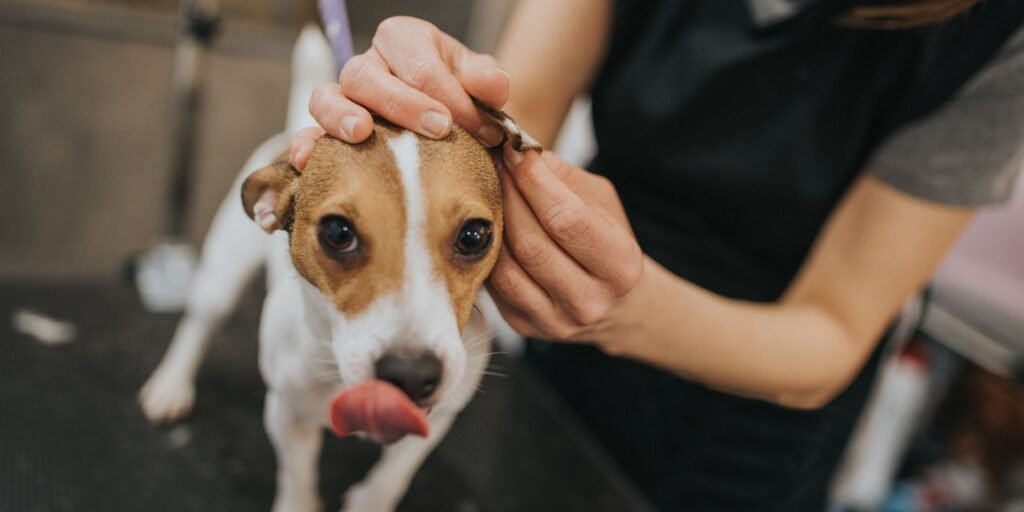
5 Steps to Clean Your Dog's Ears Perfectly
Follow a clear and safe procedure that is essential for protecting your dog’s hearing. Here’s how to clean your dog’s ears in 5 simple steps:
- Visual inspection: Check the inside of the ear for redness, abnormal discharge, a foul odor, or scabs. If there is pain or any sign of infection, stop the treatment and consult your veterinarian;
- How to apply the ear solution: Shake the bottle and pour in the recommended amount of product, without inserting the applicator too deeply. Use only ear cleansers specifically formulated for dogs, preferably those recommended by your veterinarian;
- Ear canal massage: Gently massage the base of the ear for 20–30 seconds to distribute the product and loosen earwax;
- Drying and removing residue: let the dog shake its head to remove excess liquid. Remove earwax and dirt with a sterile gauze pad or cotton swab, without ever pushing deep into the ear;
- Positive reinforcement: offering a treat or plenty of attention to associate the spray with a pleasant experience.
Common Mistakes to Avoid When Trimming Your Dog's Ears
When you want to clean a dog’s ears, it’s important not only to know what you’re doing, but also to avoid certain actions. Some behaviors can make the situation worse or cause damage to the ear canal:
- Use cotton swabs: if you push them too far into the ear, you risk damaging your eardrum;
- Using untested household products: vinegar, alcohol, or harsh soaps can irritate the gold and alter its natural pH;
- Cleaning too often: excessive hygiene can cause dryness and irritation of the inner skin;
- Forcing the canes: restraining them or subjecting them to excessive stress can make the procedure traumatic and complicate future spraying;
- Ignoring signs of pain or infection: cleaning an inflamed ear may worsen the condition and delay recovery.
Knowing how to clean your dog’s ears properly is a simple step that can make a big difference to their health. A regular grooming routine helps prevent infections and avoid unscheduled vet visits, improving your four-legged friend’s daily well-being.
Taking care of your dog's ears isn't just a matter of hygiene—it's a true act of love.
Discover our range of dog food! We offer a wide selection of formulas tailored to your pet’s specific needs, lifestyle, and health requirements, to suit every preference.
Follow us on social media to stay up to date on the latest news!
Share
